Nelly Furtado's Notable Weight Gain Journey: Before And After
Nelly Furtado's Notable Weight Gain Journey: Before And After
A Journey of Self-Discovery and Empowerment
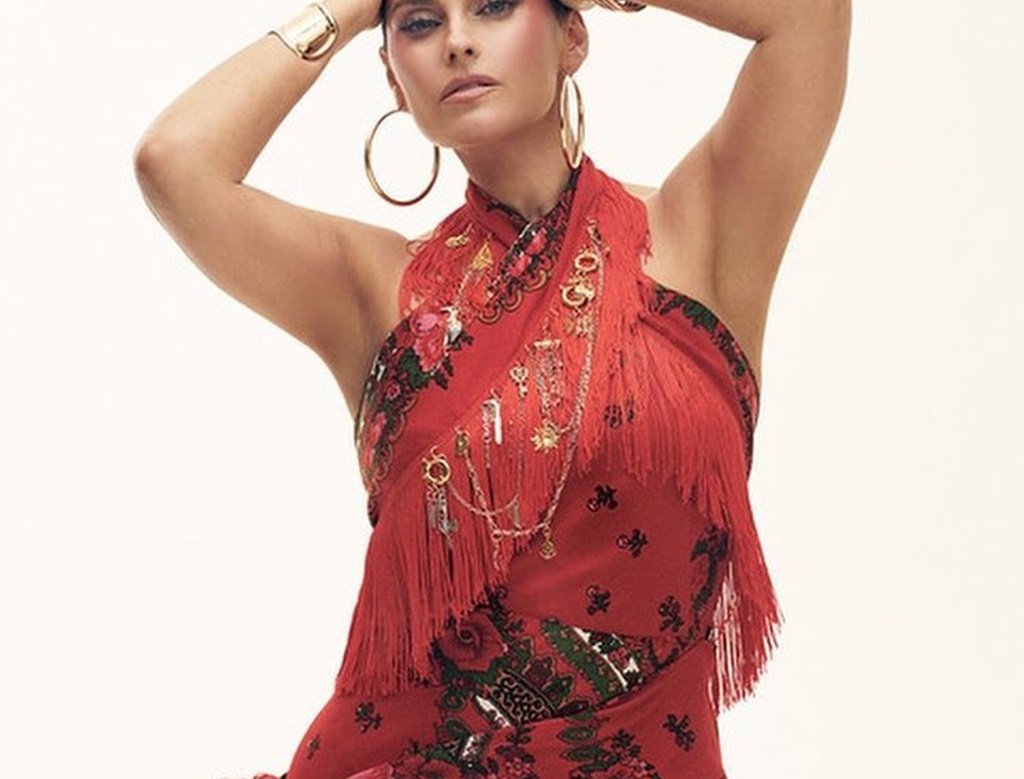
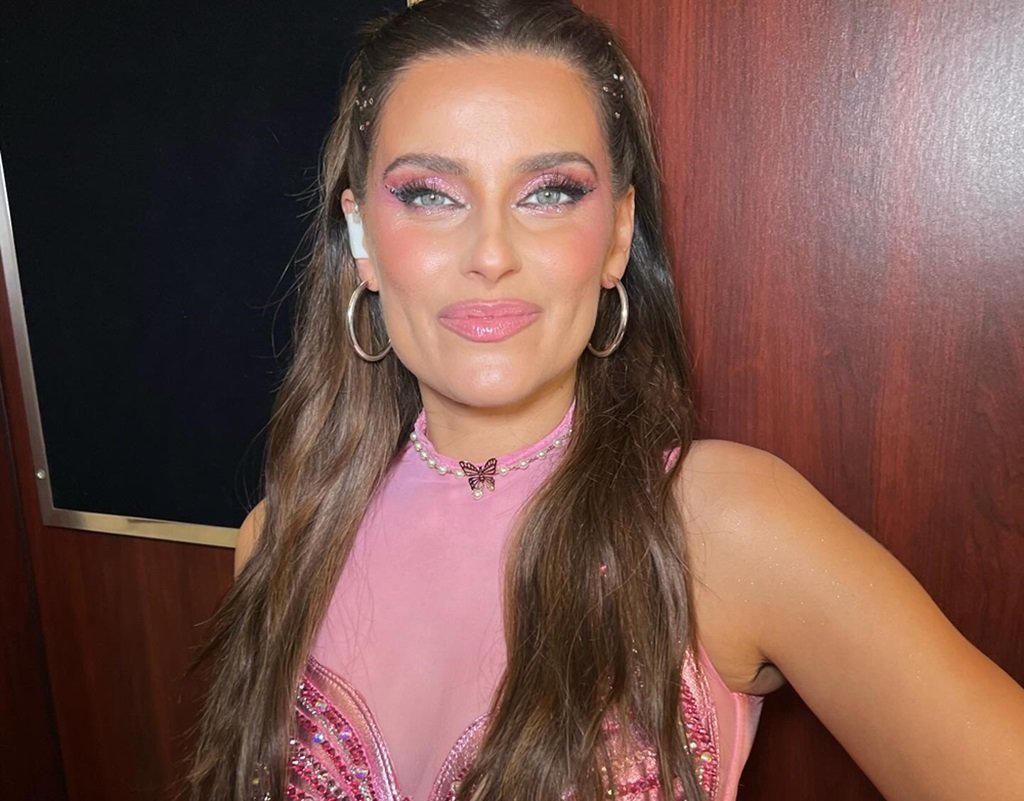
Nelly Furtado, the Canadian singer-songwriter, has been a household name since the early 2000s. With her unique blend of folk, pop, and world music, she has captivated audiences worldwide with hits like "Say It Right" and "Maneater." However, behind the spotlight, Furtado has been on a journey of self-discovery and growth, which includes a notable weight gain before and after.
Throughout her career, Furtado has been open about her struggles with weight and body image. In various interviews, she has spoken candidly about the pressure to conform to societal beauty standards and the impact it has had on her mental health. Her weight gain journey is a testament to her resilience and determination to prioritize her well-being over external expectations.
Before: The Struggle with Weight
From the Spotlight to the Dark Ages of Weight Stigma
Before her weight gain journey, Furtado was no stranger to the music industry's scrutiny on her physical appearance. In the early 2000s, she experienced a period of rapid weight loss, adopting a strict diet and exercise regimen. However, this approach took a toll on her overall health and mental well-being.
"I was living in this world of constant pressure, of constant scrutiny, and it was really affecting my mental health," Furtado revealed in a 2016 interview with Shape magazine.
As the pressure to maintain a certain weight and appearance mounted, Furtado found herself struggling with disordered eating and body dysmorphia. This led to a downward spiral, where she began to feel trapped in a cycle of self-criticism and shame.
"I was so focused on trying to fit into this idea of what a 'perfect' woman should be," Furtado shared in a 2019 interview with The Guardian. "But I was losing myself in the process."
### Factors Contributing to Weight Gain:
• Stress and mental health issues
• Disordered eating and body dysmorphia
• Unrealistic beauty standards
• Pressure from the music industry
When Her Life Took a U-Turn
As Furtado navigated the challenges of the music industry, she realized that she needed to make a change. She began to prioritize her mental and physical health, taking a step back from the spotlight and focusing on self-care.
"I realized that I had been so focused on trying to please everybody else that I had forgotten how to take care of myself," Furtado revealed in a 2020 interview with Elle magazine.
This turning point marked the beginning of Furtado's journey towards self-love and acceptance. She started to explore new passions, including art and music production, and reconnected with her love for singing.
After: The Journey to Self-Empowerment
From Body Shame to Body Love
As Furtado continued on her path towards self-discovery, she began to develop a more positive relationship with her body. She learned to recognize her worth beyond her physical appearance and focused on cultivating self-compassion and self-acceptance.
"I used to be so critical of myself, but now I'm like, 'You know what? I'm a good person, and it's okay to be me, even if I'm not a size 0 or a size 16,'" Furtado shared in a 2020 interview with Vogue.
Furtado's transformation is a testament to the power of self-love and acceptance. She has been a vocal advocate for body positivity and has used her platform to promote self-acceptance and self-compassion.
Key Takeaways from Furtado's Journey
1. **Self-care is essential**: Furtado prioritized her mental and physical health, taking a step back from the spotlight to focus on self-care.
2. **Self-acceptance is key**: Furtado learned to recognize her worth beyond her physical appearance and cultivated self-compassion and self-acceptance.
3. **Realistic beauty standards are crucial**: Furtado has spoken out against unrealistic beauty standards and promotes a more inclusive and diverse definition of beauty.
4. **Prioritize mental health**: Furtado's struggles with mental health issues highlight the importance of prioritizing mental well-being, particularly in the face of weight stigma and body shame.
A Message of Hope and Empowerment
Nelly Furtado's journey is a powerful reminder that true beauty and worth come from within. Her story serves as a testament to the impact of self-love, self-acceptance, and self-compassion. By sharing her experiences and using her platform to promote body positivity, Furtado has inspired countless individuals to prioritize their mental and physical health, embracing their uniqueness and individuality.
Her message of hope and empowerment resonates deeply, offering a beacon of light for those struggling with weight stigma and body shame. As Furtado herself said, "My body is a temple, not a battleground. I'm not gonna fight it; I'm gonna love it."

Related Post
The Rise of Cop Youtubers: How Law Enforcement Officers Are Taking Over the Internet
Winona Ryder's Ageless Charm: Unpacking Her Iconic Role in Bram Stoker's Dracula</h3><p>In 1992, Winona Ryder reprised her breakout role as Mina Harker in Francis Ford Coppola's adaptation of Bram Stoker's Dracula, cementing her status as a Hollywood leading lady. In this article, we'll delve into the making of this iconic film, exploring the intricacies of Ryder's portrayal of Mina and the ways in which it showcases her ageless talent.</p><p>Winona Ryder's casting as Mina Harker in Bram Stoker's Dracula was a pivotal moment in the film's production. Ryder, who was in her mid-twenties at the time, brought a youthful energy to the role, which offset the more mature performances of the film's other lead actors, including Gary Oldman and Anthony Hopkins. As Ryder herself notes, "I was so young, and I was playing a character who was kind of an innocent, and I think that's what made her so compelling."</p><p>Coppola, who has long been a supporter of Ryder's work, saw in her a unique talent that would bring depth and nuance to the character of Mina. "Winona had a sense of vulnerability and fragility that was perfect for the role," Coppola recalled in an interview. "She was able to convey the character's emotions in a way that was both subtle and powerful."</p><p>One of the key aspects of Ryder's performance in Bram Stoker's Dracula is her ability to convey the complexities of Mina's character. On the surface, Mina appears to be a traditional Victorian-era wife, devoted to her husband and lacking in assertiveness. However, as the film progresses, it becomes clear that Mina is a strong-willed and independent individual, capable of withstanding the pressures of the supernatural forces that surround her.</p><p>Ryder's portrayal of Mina is characterized by a mix of fragility and determination. Her character's emotional vulnerability is palpable, particularly in the film's iconic scenes, such as the scene in which Mina is trapped in the snake scene with the vampire. At the same time, Mina shows remarkable resilience and strength in the face of adversity, refusing to give in to the forces of darkness that seek to consume her.</p><p>Bulleted points of critical acclaim:</p><p>• Ryder received wide praise for her performance, with many critics noting her ability to bring depth and nuance to the character of Mina.</p><p>• The film's use of sensual imagery and visual metaphors added to Ryder's performance, creating a dreamlike quality that drew audiences into Mina's world.</p><p>• Coppola's direction of the film was widely praised, with many critics noting his ability to create a sense of tension and foreboding that was both suspenseful and atmospheric.</p><h2>Behind the Scenes of Bram Stoker's Dracula</h3><p>The making of Bram Stoker's Dracula was a complex and often challenging process. Coppola, who had previously helmed films such as The Godfather and Apocalypse Now, was determined to create a film that would be both faithful to the original novel and innovative in its approach. As he notes, "I wanted to create a film that would be a metaphor for the vampire's victims – people who are trapped in their own lives, struggling to find freedom and release."</p><p>Coppola's vision for the film was shaped by his own experiences growing up in a family of artists. "I grew up surrounded by art and music, and I think that's where my love of storytelling comes from," Coppola explained. "I wanted to create a film that would be a hybrid of art and film, something that would be both beautiful and terrifying."</p><p>The film's production was marked by intense collaboration between Coppola and his cast and crew. As Ryder recalls, "Francis is an incredibly talented and intense director, and he demands a lot from his actors. But at the same time, he's also incredibly generous and supportive – he wants to bring out the best in everyone."</p><h3>Impact and Legacy of Bram Stoker's Dracula</3><p>Bram Stoker's Dracula was released in 1992 to widespread critical acclaim. The film grossed over $215 million at the box office and won several awards, including an Academy Award for Best Costume Design.</p><p>However, the film's impact went far beyond its commercial success. As a film, Bram Stoker's Dracula redefined the boundaries of cinematic horror, pushing the genre in new and innovative ways. As a performance, Ryder's portrayal of Mina Harker set a new standard for actresses in the genre, demonstrating a depth and nuance that was both captivating and inspiring.</p><p>Today, Bram Stoker's Dracula remains a cult classic, widely regarded as one of the greatest horror films of all time. As Ryder notes, "I feel incredibly fortunate to have been a part of something that has had such a lasting impact on audiences and the film industry as a whole."</p><p>The lasting impact of Bram Stoker's Dracula can be seen in the many filmmakers and actors who have been influenced by Coppola's vision and Ryder's performance. As one film critic noted, "Bram Stoker's Dracula is a film that has stood the test of time – its themes of love, death, and the supernatural continue to captivate audiences to this day."</p><h1>Conclusion: Winona Ryder's Ageless Charm in Bram Stoker's Dracula

Unveiling the Multifaceted Talents of Geoffrey Thorne: A peek into His Net Worth
Clarissa Ward's Stunning Net Worth: What We Know About Her CBS, CNN, and ABC Career and Personal Life


